Where rocks meet reason
A copper district is an argument made of evidence. This is that evidence, explained in plain language.
Understanding the geology is understanding the opportunity
Sediment-hosted copper systems are not read from a single drill hole. They are read from stratigraphy, structure, mineralogy and alteration — together, across a district.
The Learning Centre sets out how those elements work at Koocanusa, so that the project can be judged on the same evidence our own geologists use.
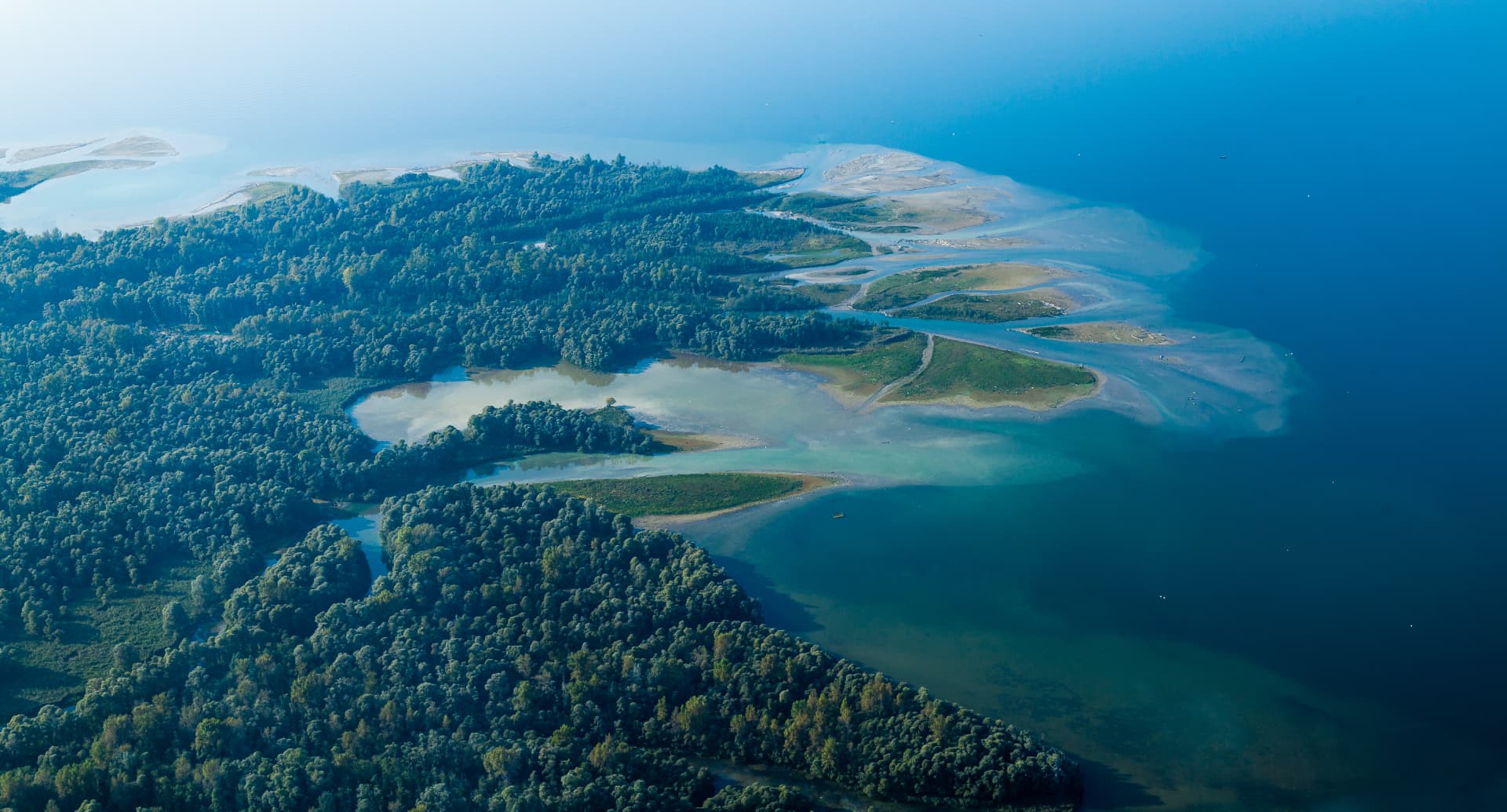
01 · Geology
Purcell Basin Copper Beds
An ancient basin, a billion years of quiet accumulation, and the fluids that turned permeable sand into copper-bearing rock.
Read the chapter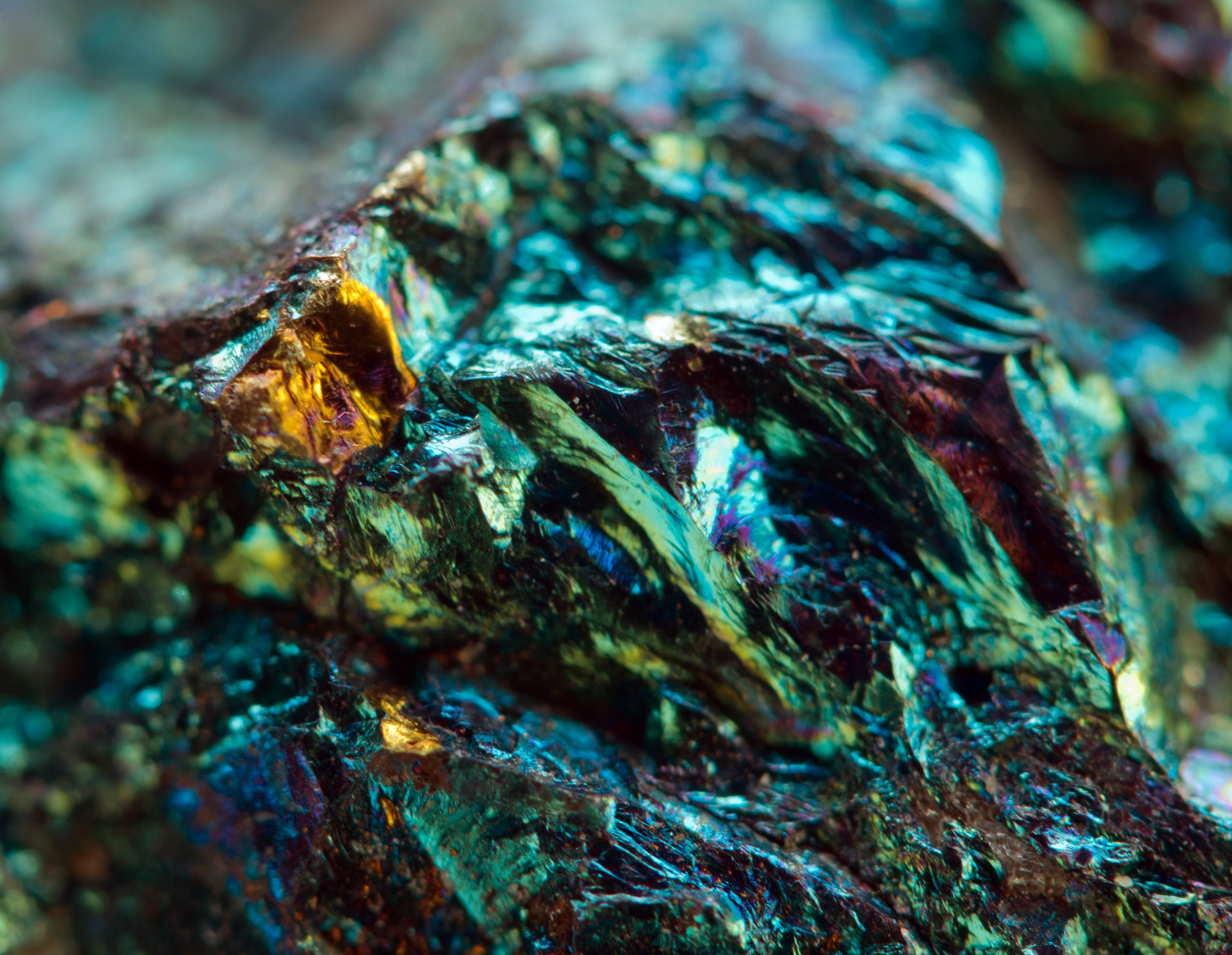
02 · Mineralogy
Copper-Bearing Lithologies
Chalcopyrite, bornite and chalcocite in the Creston and Sheppard formations — and the sedimentary features that record the environment they formed in.
Read the chapter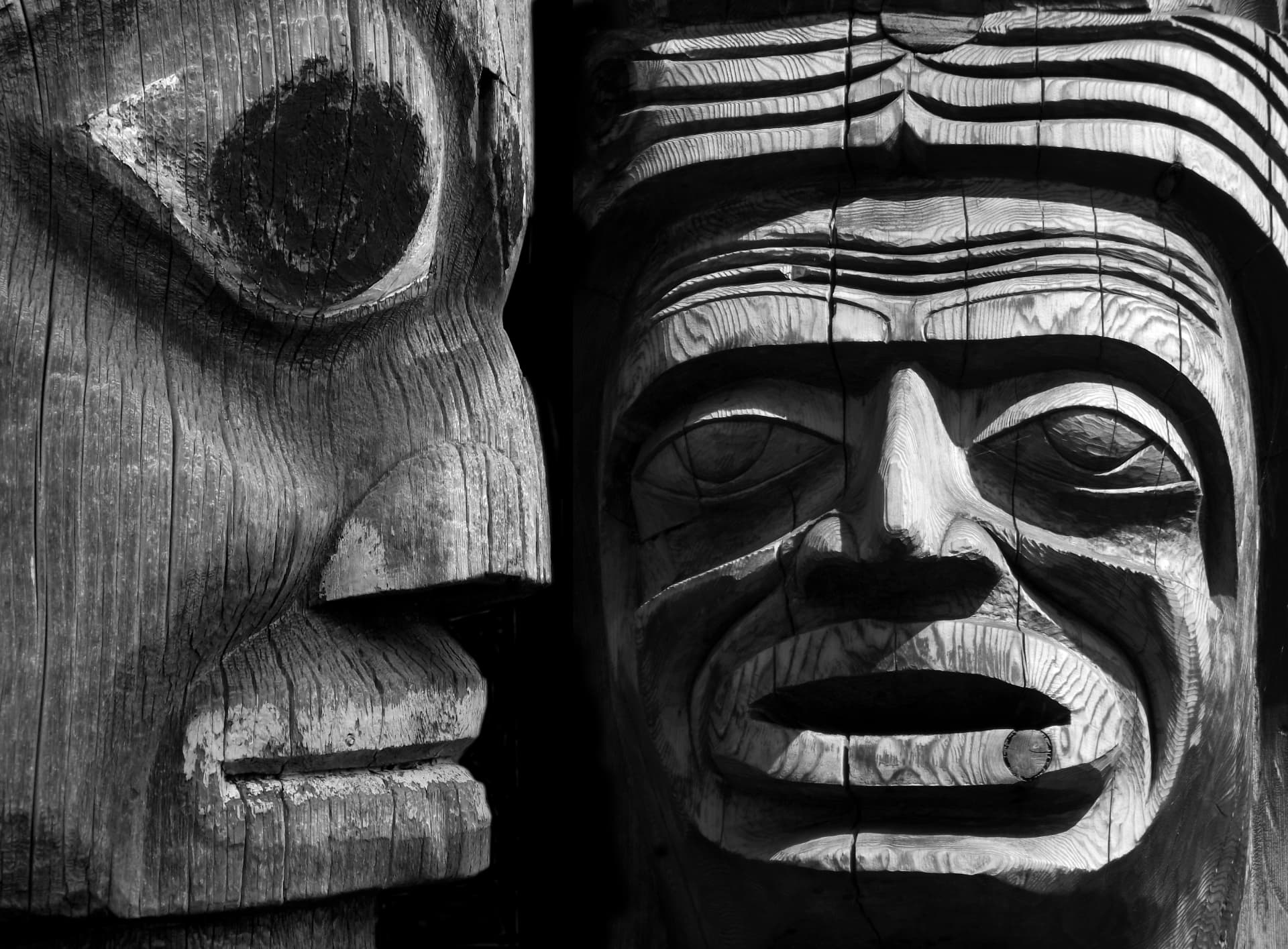
03 · History & Context
First Nations Engagement
The history of engagement in British Columbia, UNDRIP, and what meaningful relationships require of an exploration company.
Read the chapter
04 · Data
Koocanusa Data Centre
The observations behind the interpretation: sample catalogues, mapping datasets and the district's occurrence record.
Read the chapterA copper district is an argument made of evidence
Sediment-hosted copper systems are read from stratigraphy, structure, mineralogy and alteration — together, across a district.
Five ingredients of a sediment-hosted copper district
A useful shorthand for reading any sedimentary copper system, including this one.